
Say your home is worth around $700,000, but you’re still paying off $400,000 on the mortgage. That means you’re sitting on $300,000 in equity, and it could fund the renovation you’ve been putting off. Using equity for renovations is how thousands of Australian homeowners upgrade their kitchens, add extra bedrooms, or finally build that deck without emptying their savings accounts.
The process is simpler than most people think, and with property values across many Australian cities stabilising after strong growth, now’s a smart time to invest back into your home.
Key Insights
- Home equity is the difference between your home’s value and what you owe on your mortgage.
- You can access it by refinancing your home loan to increase the loan amount.
- Most lenders let you borrow up to 80% of your property’s value (minus your current mortgage).
- Using equity for renovations typically offers lower interest rates than personal loans or credit cards (around 5.8-7.2% in 2025).
- The funds can increase your home’s value and liveability.
What Is Home Equity?
Home equity is the portion of your property you own outright. If your home is worth $700,000 and you owe $450,000 on your mortgage, you have $250,000 in equity.
As you pay down your mortgage and as property values increase, your equity grows. For Launceston homeowners, median house prices have held steady around $697,500-$712,000 through 2025, meaning most established homeowners have built substantial equity over the years.
Think of equity as locked-up wealth in your home. You can’t spend it directly, but you can borrow against it.
How Much Equity Can You Access?
Australian lenders typically allow you to borrow up to 80% of your property’s loan-to-value ratio (LVR). Here’s how to calculate your usable equity:
Example calculation:
- Home value: $700,000
- 80% of home value: $560,000
- Current mortgage balance: $400,000
- Usable equity: $160,000
If you want to borrow more than 80% LVR, you’ll need to pay Lenders Mortgage Insurance (LMI), which adds thousands to your costs. Most renovation projects don’t need you to stretch beyond 80%.

Two Ways to Access Your Equity
1. Refinance Your Home Loan
This is the most common method. You refinance your existing mortgage for a higher amount and receive the difference as cash. The entire loan is secured under one mortgage with a single set of repayments.
Best for: Renovations with a clear budget where you know exactly how much you need upfront.
2. Home Equity Line of Credit
A line of credit works like a credit card secured against your home. You’re approved for a limit and can draw funds as needed during your renovation.
Best for: Projects where costs might vary, or renovations done in stages over time.
Most mortgage brokers recommend refinancing with a 100% offset account rather than a traditional line of credit, as you’ll typically get a lower interest rate.
The Benefits of Using Equity for Renovations
Lower Interest Rates
Home equity loans secured against your property offer interest rates around 5.8-7.2% – significantly lower than personal loans (8-15%) or credit cards (15-22%). Over a $100,000 renovation, that difference saves you thousands in interest.
Increase Your Property Value
Strategic renovations can add more value than they cost. Kitchen and bathroom upgrades, adding a second living area, or modernising outdated spaces often return 80-100% of the investment.
Avoid Depleting Savings
Keep your emergency fund intact. Using equity for renovations means you’re not draining the cash you’ve set aside for unexpected expenses or opportunities.
Potential Tax Benefits
Interest on loans used for income-producing improvements may be tax-deductible if you rent the property or use part of it for business. Speak with your accountant about your specific situation.
What Renovations Are Worth the Investment?
Not all renovations deliver the same return. Focus on improvements that enhance both liveability and resale value:
High-Value Projects:
- Kitchen renovations (modern appliances, updated benchtops, improved layout)
- Bathroom updates (new fixtures, better storage, improved lighting)
- Adding a second living area or bedroom
- Outdoor entertaining areas (decks, pergolas, landscaping)
- Energy efficiency upgrades (insulation, double glazing, heating systems)
- Converting unused space (garage, attic, or under-house areas)
Lower-Return Projects:
- Over-personalised designs that don’t suit the neighbourhood
- Swimming pools in cooler climates like Tasmania
- High-end finishes that exceed your suburb’s price bracket
Before committing to using equity for renovations, get quotes from experienced renovation builders in Launceston who understand the local market and what adds value.
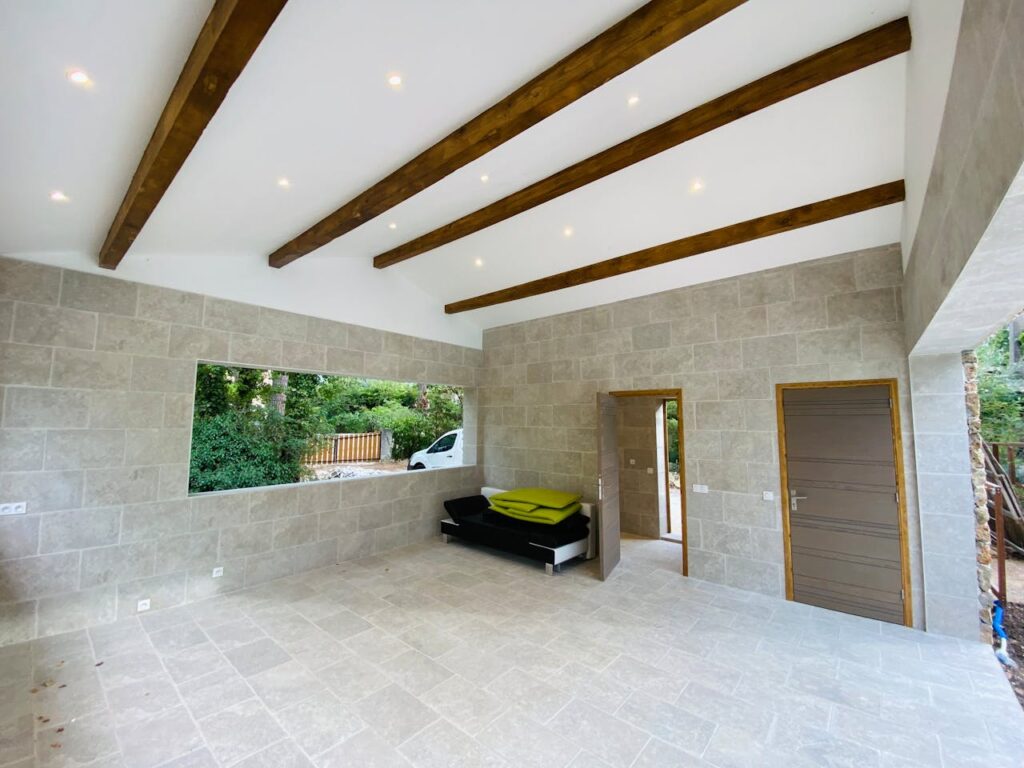
How to Start Using Equity for Renovations
Step 1: Get Your Home Valued
Online estimates from property websites give you a ballpark figure, but banks will order their own professional valuation. Bank valuations tend to be more conservative than real estate agent appraisals.
Step 2: Calculate Your Usable Equity
Use the formula above (80% of property value, minus current mortgage balance). This tells you your borrowing capacity.
Step 3: Plan Your Renovation Budget
Get detailed quotes from builders and tradespeople. Include a 10-15% contingency for unexpected costs—renovations almost always uncover surprises.
Step 4: Compare Lenders
Shop around for the best interest rates and loan features. Your current lender might not offer the most competitive deal, and refinancing gives you leverage to negotiate.
Step 5: Check Your Financial Position
Lenders will assess your credit score, income, and debt-to-income ratio. They want to see you can comfortably afford the increased repayments.
Risks to Consider
Using equity for renovations isn’t risk-free. Your home secures the loan, which means:
- Foreclosure Risk: If you can’t make repayments, the lender can force you to sell. Don’t borrow more than you can comfortably repay, even if rates increase.
- Market Value Changes: If property values drop, you could end up owing more than your home is worth (negative equity). This only becomes a problem if you need to sell.
- Overcapitalising: Spending $150,000 on renovations that only add $80,000 to your home’s value leaves you out of pocket. Research what improvements work in your specific suburb before committing.
- Higher Repayments: Your monthly mortgage payment will increase. If you’re currently paying $2,200 per month and you borrow an extra $100,000, expect your repayments to jump by $500-700 per month, depending on your interest rate and loan term.
Ready to Renovate Your Launceston Home?
Using equity for renovations allows you to improve your home’s value and livability without waiting years to save the money. With Launceston’s property market showing stable fundamentals and strong rental yields, investing back into your home through strategic renovations makes financial sense.
Before you pull the trigger, connect with qualityhome renovation services that can provide accurate quotes and realistic timelines. At Go Build Co, we help Launceston homeowners plan renovations that fit their budget and genuinely add value, whether you’re extending your living space, modernising outdated areas, or creating the home you’ve always wanted.
Call us today to discuss your renovation plans and get a detailed quote. We’ll help you understand exactly how much you’ll need to borrow and what return you can expect from your investment.


